
Sommaire
- A holistic approach to contamination control
- Part 2: Turning constraints into opportunities to accelerate Sterility Assurance performance
- Key Elements of a Successful Cleaning and Disinfection Program
- Improving contamination control through risk analysis: a pillar of the CCS strategy according to ICH Q9 and Q10
- The control of surfaces in cleanrooms: Questions & Answers
- Methods to Validate Disinfectants
- Keys to the success of a GMP cleaning solution implementation project
- New to the world of disinfection?
- Drought decree: impacts & opportunities for the pharmaceutical industry
The control of surfaces in cleanrooms: Questions & Answers
The control of surfaces in cleanrooms requires a reproducible and effective decontamination process. What surfaces are we talking about? Two categories must be schematically distinguished: those at risk of cross-contamination and those “only” related to a risk of environmental contamination of the product.
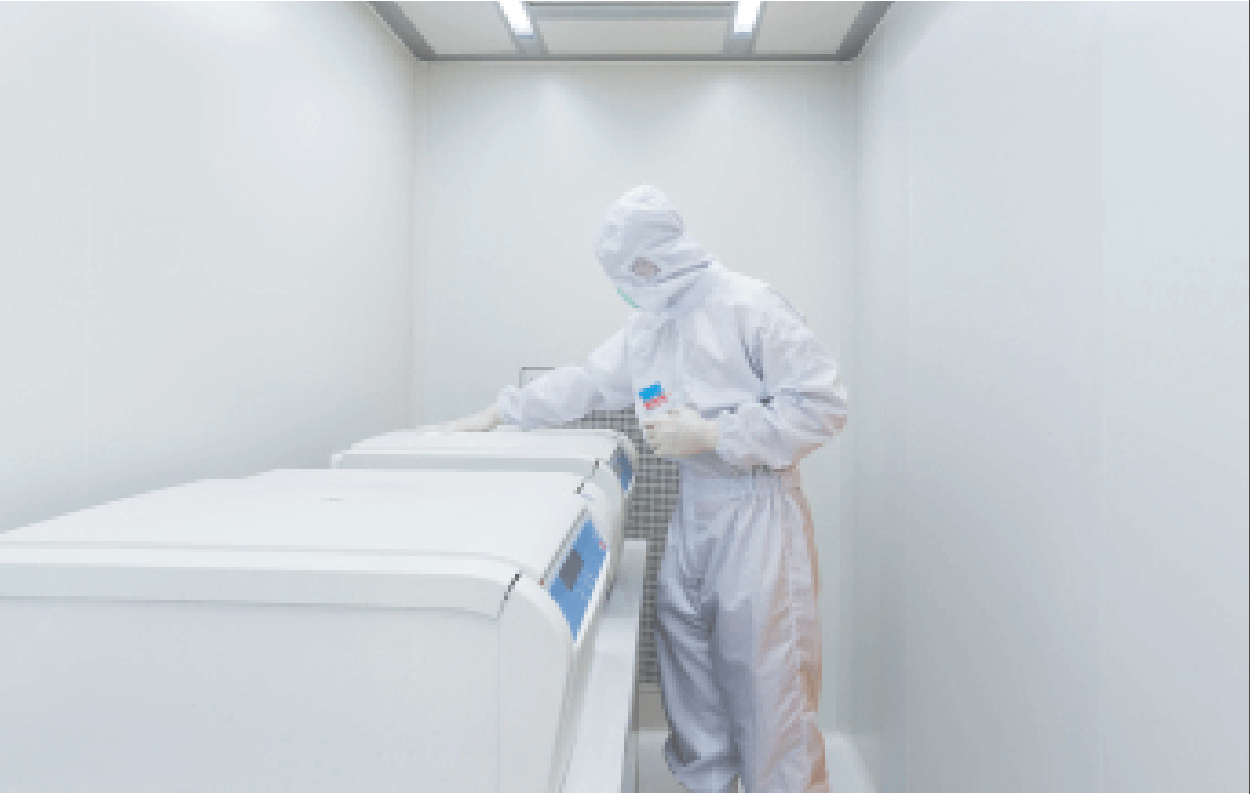
In the first case, the decontamination process uses three successive processes: a validated cleaning process, a validated drying process and a validated high-efficiency disinfection process.
In the second case, a cleaning process is carried out at an appropriate frequency to mainly eliminate the residues of the disinfection products themselves and to respect the visual cleanliness before applying a disinfection process that is as reproducible as possible via the use of an effective disinfectant (biocide alternating with a sporicide). This article produced by the « GIC Bionettoyage et Nettoyage » is in the form of Questions and Answers to provide simple and pragmatic answers to the control of surfaces not at risk of cross-contamination.
Q1. How do you recommend managing airborne particles in cleanrooms?
→ There can be many sources of particulate contamination in a cleanroom setting, including airflow sources, raw materials, excipients, packaging, materials being transferred into the area, personnel flow and production activities themselves (including cleaning/disinfection activities).
A thorough Contamination Control Strategy (CCS) is required to identify, manage and/or mitigate all of these sources and risks.
For cleaning and disinfection, the management/mitigation of risks will include ensuring that detergents and disinfectants used are intended for cleanroom use (sterile/filtered according to grade, appropriately produced, and packaged and containing no extraneous chemicals). They should also have a low residue profile where possible, and cleaning and disinfection activities should be performed at a frequency and in a manner commensurate with the risk.
Cleaning materials (equipment, wipes, mopheads) and application techniques should also be in line with ‘best practice’ to ensure that they do not present a risk to processes, damage the fabric of the cleanroom, or increase the risk of microbiological, chemical, or particulate contamination from their use.
Q2. You said during the webinar that cleaning should be done before performing disinfection in Grade A to D, then performing the disinfection step, following by the rinsing step. So, I understand that we should mop 3 times when performing cleaning / disinfection. Is this understanding, correct?
Q3. Another question: when using low residue disinfectants such as hydrogen peroxide and ethanol, should we perform a rinsing step?
→ The answer is slightly trickier than answering “yes” or “no”. Cleaning and disinfection activities should be ‘commensurate with the risk’.
You will know your products and processes at your site, so you need to ensure that surfaces are cleaned and disinfected at an appropriate frequency. If you clean with a detergent, this will leave a residue which should be rinsed off. However, if you use water of an appropriate quality or 70% alcohol (such as 70% Denatured Ethanol or Pharma Ethanol) to clean then rinsing will not be required.
Similarly, if you use ‘traditional’ high residue disinfectants, then the residues of these disinfectants may need to be removed after each application. However, if you use a disinfectant designed to leave less residues on a surface then rinsing will be required much less frequently. For Hydrogen Peroxide formulations (used either in a vapour process or a manual disinfectant formulation such as 6% H2O2) the product breaks down to Oxygen and water, so a rinse step is not usually required after use, depending on where it has been applied (Grade A/B zone).
We usually recommend a rinse step each time after sporicidal disinfectants (with the exception of H2O2) to minimise the possibility of adverse material interactions.
As general guidance, surfaces should be cleaned to remove visible product residues, dirt, soil, detergent, or disinfectant residues before you apply a disinfectant. The frequency of cleaning will depend on a number of factors processes, cleanroom grade, surface type and traffic.
Q4. Are there any differences between the cleaning to be performed in cleanrooms and the cleaning to be performed before hydrogen peroxide vapor biodecontamination in RABS or isolators?
→ The principle is the same. You want to ensure surfaces are cleaned to remove product residues, dirt, soil, detergent, or disinfectant residues before you apply a disinfectant, in this case HPV.
Q5. Is it fine to spray directly on surfaces?
→ When spraying directly on the surface, the dust and microorganisms on the surface are disseminated by the airflow and droplets are generated by spraying. Therefore, we avoid spraying directly; so this method is not the best standard practice.
Spraying on the wipe (with a defined method) or use pre-wetted wipe is a way to control reproducibility on manual process to enhance method application.
Moreover, spraying directly onto a wipe and then wiping a surface to control application, prevent detergent or disinfectant running or pooling in corners and cracks, incorporate mechanical (wiping) action into your processes and minimise airborne concentrations of disinfectant.
In some instances, spraying the surface could be useful as first cleaning step after very dirty interventions, if a prolonged “wet” action is needed to remove dried-on dirt; however, this is more a case of cleaning up after construction work than routine cleaning.
Again, you should decide on the most appropriate application technique for your own setting.
Q6. When I use the 3 buckets system, should I put the disinfectant such as the ethanol in all buckets?
→ Three bucket Systems (also known as ‘Triple Bucket Systems’ or TBS) are often considered industry ‘best practice’.
They usually consist of a bucket containing the clean disinfectant solution, a ‘rinse’ bucket also containing disinfectant solution to rinse the mop into, and then an empty ‘waste’ bucket with a ‘wringer’ above it. The ‘wringer’ on the bucket system ensures consistency of application.
The mop is first dipped into the clean disinfectant solution, then the excess liquid is wrung out and the disinfectant is applied to the surface being treated using the mop.
After mopping a pre-defined surface area, the mop head is rinsed out in the ‘rinse’ bucket before the excess disinfectant is wrung into the ‘waste’ bucket.
Working in this way results in the disinfectant solution staying cleaner (and hence effective) for longer, while also preventing spreading the dirt picked up from one surface to another around the cleanroom.
Use of this bucket system for rinsing off disinfectant residues from surfaces after the appropriate contact time will also improve the efficacy of this process. As the ‘clean’ rinse fluid in the front bucket will also stay cleaner for longer.
Care should be taken if using Ethanol in large quantities in bucket systems, due to the flammable and potentially explosive properties of this disinfectant.
Q7. If I fold wipes, can I use the side used to hold the wipe should not be used to wipe surfaces?
→ The way you use wipes, and whether you allow the side of the wipe that is held in the hand to subsequently be used on a surface is going to depend on the Grade of area you are in, and the criticality of the surface being wiped.
The wipes are folded in such a way as to maximize their surface area. Wipes should always be folded according to a written procedure. Generally, the wipes should be folded to approximately the size of a hand.
The frequency of refolding a wipe to expose a ‘clean’ side depends on the level of soiling of the surface, and the criticality of the surface being wiped.
Hold the wipe using a sanitised, gloved hand and wipe the surface using unidirectional overlapping strokes (overlapping the previous stroke by 10 – 25%) to ensure complete coverage. When using the wipe flat, the folded edge should be the leading edge.
In a Grade A zone, at critical area, it is likely that a fresh, clean surface of the wipe should be used for each stroke. However, in a lower Grade area, multiple strokes with the same wipe surface may be acceptable and using the hand-contact side (sanitised and gloved) on these surfaces is acceptable as the risk is lower.
The wiping pattern is important to prevent re-contamination (i.e., back to front, top to bottom).
Wipes should be evenly impregnated. and the of wetting volume should be defined in the procedure.
When using ready-to-use trigger sprays, keep the nozzle close to the wipe to minimise aerosol dispersion in unwanted areas in the cleanroom and reduce operator exposure.
Change the wipe surface at a frequency defined in the SOP.
Use slow, controlled movements To ensure good mechanical action and full contact of the biocide with the surface
Q8. What are the advantages and selection criteria for wiping cloths or mops used for disinfection in cleanrooms?
→ Why use a wiping cloth or a mop in a cleanroom? Certainly because it is the best tool to both ensure—if used correctly (the folding method into four, equivalent to the size of a hand, providing four clean and available surfaces)—a real mechanical action to combat the formation of biofilm, and also because it is the most effective method for applying a visible, homogeneous layer of liquid disinfectant that remains on the surface long enough to act (respecting the disinfectant’s contact time).
The choice of cloth or mop depends on the selection of materials used in its composition and the texture given to these materials (nonwoven / thermo-molded / knitted). It can therefore be associated with its cleanliness level measured according to an international reference standard, IEST (Institute of Environmental Sciences and Technology: IEST-RP-CC004: Evaluating Wiping Materials Used In Cleanrooms and Other Controlled Environments). The cleanliness of a cloth is measured by its potential for fiber and particle release, as well as its absorption capacity (liquid transport). Other factors to consider include endotoxin content, risk of abrasion on the surface, sterility—or even better, validated sterility (SAL 10–⁶)—and finally its price, to choose the right cloth for the right area.
To avoid operator dependency and ensure optimal impregnation on both sides of the cloth, providing sufficient biocide on the surface, pre-saturation by the manufacturer can be a safe option.
However, it is important to remember that the cloth chemistry (partly quantified in NVR—non-volatile residues) can interfere with the disinfectant’s chemistry, reducing or even nullifying its effectiveness. Therefore, if one wants to guarantee disinfection or even sporicidal action on the treated surface, it is essential to validate the effectiveness of the cloth/disinfectant combination (EN 16615).
Q9. What level of training is required for disinfection and how should it be documented?
→ Any personnel entering, and/or working in a cleanroom environment must receive training in a broad range of topics to ensure that they are aware of the requirements of working in a GMP environment, and the potential risk to products and ultimately patients that can result in bad practice.
PIC/s Guide to GMP (2018) states:
“2.10 The manufacturer should provide training for all the personnel whose duties take them into production areas or into control laboratories (including the technical, maintenance and cleaning personnel)”
FDA Aseptic Processing Guide (2004) states:
“Appropriate training should be conducted before an individual is permitted to enter the aseptic manufacturing area… topics should include aseptic technique, cleanroom behaviour, microbiology, hygiene, gowning, patient safety hazards posed by a non-sterile drug product…”
“7.3 All personnel including those performing cleaning, maintenance, monitoring and those that access cleanrooms should receive regular training, gowning qualification and assessment in disciplines relevant to the correct manufacture of sterile products. This training should include the basic elements of microbiology and hygiene, with a specific focus on cleanroom practices, contamination control, aseptic techniques and the protection of sterile products (for those operators entering the grade B cleanrooms and/or intervening into grade A) and the potential safety implications to the patient if the product is not sterile. The level of training should be based on the criticality of the function and area in which the personnel are working.”
EudraLex Vol.4 Annex 1 (August 2022) states:
For staff involved in cleaning and disinfection activities, training should be given in safe handling, preparation and disposal of detergent and disinfectants, appropriate application techniques (cleaning/ disinfection procedures) as well as the basics of GMP and microbiology/hygiene.
This is supported by USP Chapter <1072> which states:
“Staff involved in disinfection require training in microbiology, industry practices for cleaning and sanitization, safe handling of concentrated disinfectants, the preparation and disposal of disinfectants, and appropriate application methods.”
→ Training should be assessed and documented in the same way that training for production operators is recorded. This should be done for company staff, and any contract personnel that perform these activities.
Ideally training should include a practical component (e.g., performance of techniques, visualisation of risks), not just reading the SOPs. Regular assessment and re-training should be performed as required. To manage these topics, this could be included directly in job training passports.
Q10. About contact time, ow much the decontamination efficacy differs depending on the type of disinfectant, contact material and conditions?
→ The type of disinfectant, the type of the surface being disinfected, and cleanroom conditions (anticipated bioburden levels/types, achievable contact time) can all have a significant impact on disinfectant efficacy.
Disinfectants supplied by reputable suppliers and intended for cleanroom use will be supported by appropriate validation data to demonstrate their effectiveness (to make a label claim of bactericidal, yeasticide, fungicidal, viricidal or sporicidal efficacy and to register the products with the relevant registration authorities).
However, this data is usually performed using standard test methods (suspension and surface test methods), using standard organism types in a set contact time. Where surface tests are performed, the standard methods usually only use stainless steel as the surface material.
Whilst this is useful information as end users can compare the performance of different biocides from different manufacturers in the market or ensure the disinfectants meet a minimum level of efficacy as each manufacturer tests according to a set method, it does not always reflect how the disinfectant will be used in their own cleanrooms.
It is a regulatory expectation that end users validate the disinfectants they intend to use in use on site. EudraLex Vol.
4 Annex 1 (August 2022) states:
“4.34 The disinfection process should be validated. Validation studies should demonstrate the suitability and effectiveness of disinfectants in the specific manner in which they are used and on the type of surface material, or representative material if justified, and should support the in-use expiry periods of prepared solutions.”
PIC/S 9.4.3 states:
“The effectiveness of disinfectants and the minimum contact time on different surfaces should be validated.”
USP Chapter <1072> states:
“The selection of suitable disinfectants and the verification of their effectiveness in surface challenge testing is critical in the development of a cleaning and sanitization program.”
It is also a current regulatory requirement to validate disinfectants against the in-house isolates recovered from EM monitoring. The FDA states:
“The suitability, efficacy and limitations of disinfecting agents and procedures should be assessed. The effectiveness of these disinfectants and procedures should be measured by their ability to ensure that potential contaminants are adequately removed from surfaces.”
Whilst there is no requirement for end-users to use any specific methodology or conditions to perform disinfection efficacy validation, any validation should be representative of how products are used on the site.
It’s expected that site had evaluated their own representative material, categorized them by a matrix approach (for example, by family) to select candidate with a scientific approach to apply their tests to be representative of in situ.
The norm ISO 13697 could be used to support the validation program combined with in situ control.
Q11. Do we need to clean every time before we use a disinfectant?
→ Not necessarily. The frequency of cleaning and/or disinfection should be risk based. Annex 1 (August 2022) states:
“4.33 The disinfection of cleanrooms is particularly important. They should be cleaned and disinfected thoroughly in accordance with a written programme. For disinfection to be effective, prior cleaning to remove surface contamination should be performed. Cleaning programmes should effectively remove disinfectant residues. More than one type of disinfecting agent should be employed to ensure that where they have different modes of action, their combined usage is effective against bacteria and fungi. Disinfection should include the periodic use of a sporicidal agent. Monitoring should be undertaken regularly in order to assess the effectiveness of the disinfection programme and to detect changes in types of microbial flora (e.g. organisms resistant to the disinfection regime currently in use)..”
It is important that surfaces are free from product residue, dust, debris, dirt, soiling or residues of other disinfectants before applying a disinfectant product. Depending on your manufacturing process, amount of personnel and traffic in a room and the type of surface being disinfected, the cleaning frequency may vary.
The risk could be link to product exposure or to residues accumulation. The frequency defined should be justified according to a rational.
Q12. Does a disinfectant have to stay wet for its contact time?
→ If we make a review of respected pharmaceutical industry publications and regulatory guidance related to this question. From this review, the need for the disinfectant to be wet for the duration of the contact time is reasonably clear.
Whilst it is not inconceivable that there is a continuation of disinfectant efficacy after the surface is visibly dry, the action is taking place at a cellular level and is virtually impossible to measure in practice as the user cannot observe cell death as an endpoint.
In a pharmaceutical cleanroom, the endpoint of disinfectant contact time can be defined (and validated) as the point at which the disinfectant has visibly evaporated from the surface. In practice, end users may find it useful to perform initial ‘practical use’ studies within the cleanroom to establish the wet contact time that can actually be achieved (usually around 5-15 mins), and incorporate those conditions into validation. For example, if the disinfectant is visibly dry on a surface within 1 minute in the cleanroom, then the efficacy test must mimic those conditions.
Most pharmaceutical guidance organisations define contact time as a wet contact time.
Q13. Can you mop/wipe with a zig-zag pattern?
→ Yes, other wiping/mopping patterns can be used. Usually it is recommended to use mopping/wiping in linear, overlapping strokes as this technique is described in ISO14644.
If other pattens are used (‘S’ technique or zig-zags) it may be necessary to adjust the procedure to wipe/mop along left and right hand edges after the main surface area in order to cover areas that are commonly missed, or to contact any contamination that may have been moved to the sides of the area being disinfected by these techniques.
Q14. How many times can we re-launder our mop heads?
→ This will depend on the mop head material, type of cleanroom surfaces being mopped, surface areas being mopped, disinfectant agents being used, re-laundering and sterilisation processes.
All of these factors will influence the deterioration of the mop head material. You should have an agreement in place with the laundry on how many times mop heads can be re-laundered (based on data on how many cycles the mop heads can withstand). You should also ensure that procedures are in place for operators to check mop heads for degradation prior to use, and to discard or dispose of any that are soiled or damaged.
Q15. What is the difference between cleaning and disinfection?
→ Cleaning – A process for removing contamination e.g. product residues or disinfectant residues.
EudraLex Vol. 4 Annex 1 (August 2022)
Cleaning (often using a detergent; but water could also be used – depend on the type of residues to eliminate) is the process designed to wet and/or emulsify dirt or soiling to aid in its removal, the goal is to remove chemical residues. Whilst cleaning may reduce microbial levels present, this will not be to the same extent as a disinfectant.
Disinfection – The process by which the reduction of the number of microorganisms is achieved by the irreversible action of a product on their structure or metabolism, to a level deemed to be appropriate for a defined purpose.
EudraLex Vol. 4 Annex 1 (August 2022)
Disinfection is designed to reduce the levels of microorganisms on a surface through the chemical action of the agent on microbial cells. To be most effective, disinfectants should be applied to a clean surface.
Q16. Should you introduce a rinsing step after cleaning?
→ This depends on the cleaning agent. If you use water (large surfaces) or alcohol (small surfaces) to clean and you use an application technique and mopping/wiping technique that ensures contaminants are picked up from the surface and not re-applied, then rinsing may not be required.
Where you have sticky, oily or difficult dirt/soil/residues that require you to use a detergent to wet/emulsify them and lift them off the surface, you are likely to have to use a rinse step to remove detergent residues.
Conclusion
The control of surfaces in clean rooms is an essential subject for mastering our processes and starts with the control of environments in the broad sense. Class A environments thus represent the border between two worlds: Surfaces at risk of cross-contamination are more related to the control of aseptic processes, and those at risk of environmental contamination. In such environments, what makes it possible to differentiate them is schematically the level of toxicity of the products distributed, while taking into account their galenic. We work within the GIC to provide you with clarity and to provide you with pragmatic answers on a global theme that is often insufficiently considered and not mastered. What validation effort should we achieve? Is visually clean acceptable as the case may be? In the end, it is essential to guarantee the control of all your cleanroom decontamination processes in order to participate in the overall performance of your contamination control. Logic!
See you in April to continue the discussions.
GIC Biocleaning and Cleaning
Partager l’article