La Vague 52
Isolator Technology and Automation Enhanced Contamination Control in the Manufacture of Cell and Tissue Culture Derived Regenerative Medicine Products.
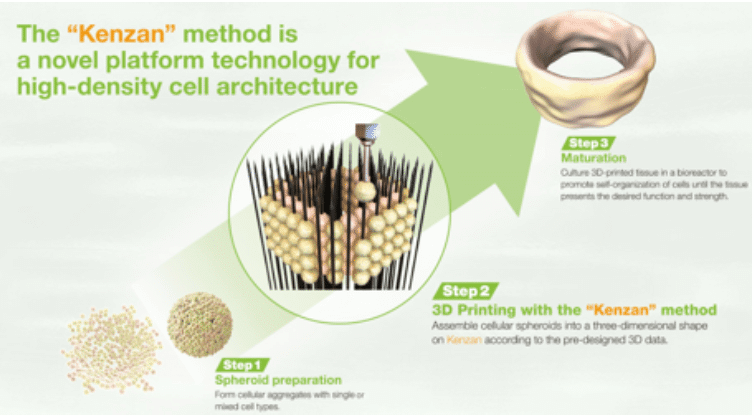
Cell and Tissue Derived Therapies – a Growing International Market.


Cell and Tissue Derived Therapies – a Growing International Market.
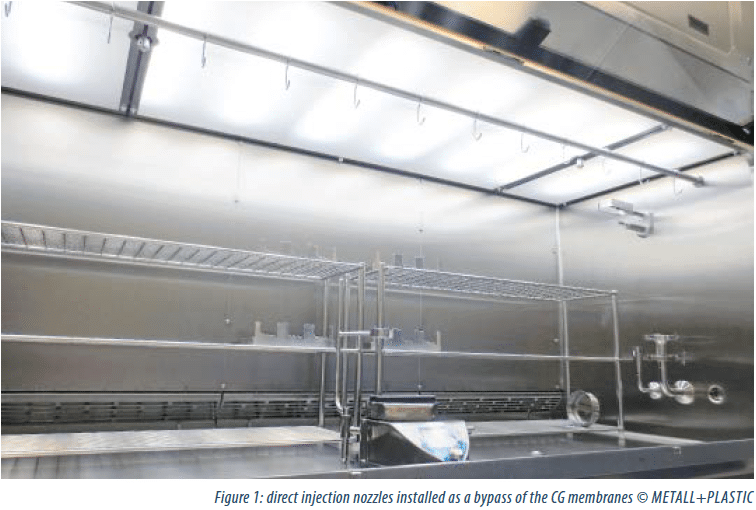
For the purpose of protecting pharmaceuticals from contamination with microbes or nonviable particles filling and closing machinery are equipped with isolators or other barrier systems. It is not only the Sterility Assurance Level (SAL) which is focused upon but also the non-productive time for decontamination processes between batches which has to be taken into account.
This article describes and evaluates a new technology to reduce the cycle time of isolators.
What performance requirements are needed for analytical procedures to ensure an alignment with the enhanced approach of Quality by Design for product/process?
An analytical procedure should be followed during the life cycle of the product to continually assure that it remains fit for its intended purpose.
A platform process is a production process suitable for the manufacture of a group of related products in a defined production system. At Lonza one of our technology offerings is a platform process for the production of therapeutic proteins in Chinese hamster ovary (CHO) cells.
The techniques available for the microbiological monitoring of products and manufacturing environments have come a long way in the last few decades. Even though enumerating microbial cells by counting colonies on an agar filled Petri dish is still a common technique, a variety of more sophisticated and rapid methods are making their way into the quality control microbiology laboratory. These Rapid Microbiological Methods (RMM) exploit chemical and physical methods developed to elucidate the structure of cell components and the functions of biomolecules. These methods are then applied to the detection, enumeration, and identification of microorganisms that may be present in pharmaceutical, food and beverage, water and other samples submitted to the quality control labs. Thus, the simple view of a bacterial cell as a tiny living entity so small as to be invisible to the naked eye, and countable only by either microscopy or culture, is changing to a much more complex picture encompassing the most intimate details of the cell structure and the biomolecules that form it.
Microbiological controls of the environment in clean rooms are now included in most recommendations and regulatory documents. For example, in the guide “Bonnes Pratiques de Fabrication (BPF)”(1) it is recommended that limits and values of microorganisms in the air and on the surfaces are applied in the different clean room classes (A-D). This guide is the French translation of the guide for European Good Manufacturing Practice (2). In the hospital environment, the French standard NF390351 imposes microbiological values of the air and surfaces based on defined risk environments.
GIVE & TECH distributes its partners’ equipment and services to players in the pharmaceutical industry in France, Spain, Portugal, Belgium, Switzerland and French-speaking Africa.
BIOPHARMA TECHNOLOGIES FRANCE is specialized in lyophilization, evaporation, SFC separation and fill/finish lines.
CARBOGEN AMCIS France is the Drug Products subsidiary of the CARBOGEN AMCIS group. As a leading CDMO, CARBOGEN AMCIS supports you in the development and manufacture of drug products and substances.